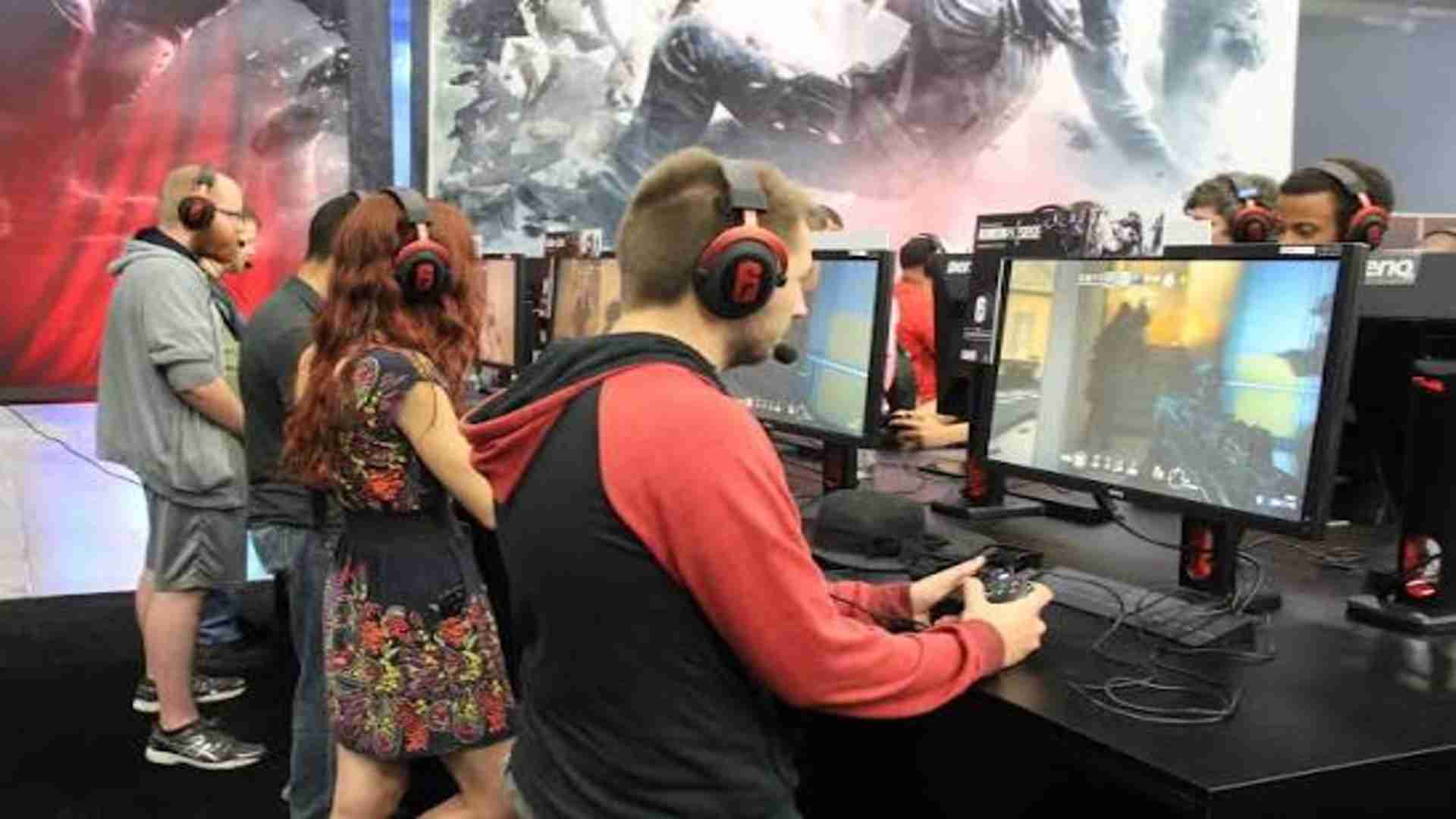
Achieving victory in competitive arenas requires far more than individual talent or mechanical expertise. True success relies heavily on how well a team exchanges critical information during high-pressure situations. By fostering clear and intentional dialogue, groups can navigate unexpected challenges and consistently outmaneuver their opponents.
The Core of Collaborative Gameplay
Effective teamwork involves sharing real-time observations to keep everyone aligned on the same objective. When players verbally confirm enemy positions or strategic map shifts, they eliminate costly guesswork for their teammates. This continuous flow of information allows the entire squad to execute tactical plays with absolute confidence.
Furthermore, breaking down complex situations into brief, actionable callouts ensures that no one feels overwhelmed during intense skirmishes. Clear dialogue helps individuals understand their specific roles within a larger strategy, reducing errors substantially. Teams that master this baseline interaction naturally build the momentum required to secure consistent victories.
Building Trust Through Constructive Feedback
Trust acts as the foundation for any competitive environment where quick decisions dictate the final outcome. Cultivating mutual respect means delivering calm adjustments rather than focusing on past mistakes during a live match. When athletes feel supported by their peers, they remain calm and maintain their composure under pressure.
Establishing a reliable communication loop also encourages team members to request assistance before a situation becomes unmanageable. Active listening prevents misunderstandings and aligns diverse playstyles toward a singular, cooperative goal. This supportive atmosphere empowers every member to perform at their absolute highest level without fear of immediate criticism.
Optimizing Strategy with Focused Callouts
Smarter decision-making depends directly on the quality and timing of the data shared across the team. Highly successful groups practice disciplined communication structures, ensuring that only vital details fill the voice channels. Filtering out unnecessary chatter allows everyone to hear critical updates regarding ultimate cooldowns or objective timers.
Predictive callouts enable defensive lines to anticipate aggressive enemy rotations before they fully materialize on the field. This proactive approach transforms standard reactive movements into coordinated counteractions that surprise the opposition. Ultimately, keeping statements brief and accurate ensures that strategies are executed seamlessly when opportunities arise.
Sustaining Long Term Team Chemistry
Developing excellent dialogue habits during daily practice sessions creates a permanent blueprint for future tournament success. Consistent routines help teams synchronize their natural instincts, turning complex positional adjustments into second-nature responses. Over time, this fluid understanding creates an unspoken chemistry that separates elite squads from average competitors.
Reviewing match footage together allows individuals to identify exactly where information gaps occurred during stressful moments. Addressing these weak points constructively ensures continuous collective growth and strengthens overall coordination. Prioritizing these collaborative habits ensures that every roster remains adaptable, resilient, and fully prepared for any competitive challenge.